About Us

Port Digitalization and Maritime Integrated Systems

PDMIS is using technologies like AI, IoT, and data platforms to automate processes, improve real-time visibility, optimize operations, and enhance safety and sustainability within ports and the broader maritime supply chain, creating "smart ports" that enhance efficiency, safety, and sustainability. Integrated systems connect various stakeholders, eliminating silos and enabling real-time data sharing and optimized decision-making across the entire logistics chain.
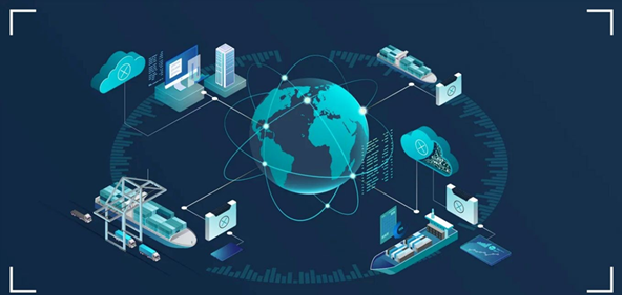
  • Automation in creating standard offers, customer-specific offers, and invoices.
  • Giving ports an opportunity to focus on core port management activities by managing subcontractor relationships.
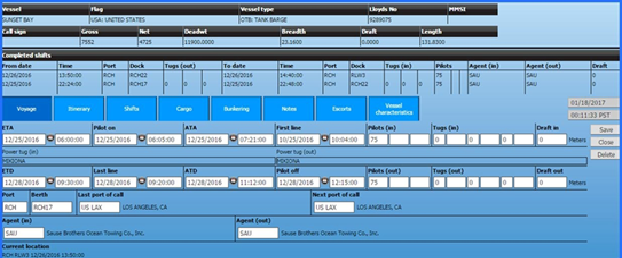
  • Optimizing nautical services (pilotage, towage, etc.) with vessel call operations list for pilot/tug assignment.
  • Automating entry and exit operations integrated with bar-code and RFID applications.
  • Monitoring the actual situation at yards and approving job orders.
  • Allowing port/equipment operators to record operational phases via hand terminals.
  • Keeping data up-to-date with real-time process and operational tracking for customers.
  • Early warning decision support system (AI-based) to prevent confusion/complexities.
  • Creating Digital Twins for simulation/optimization using what-if scenarios.
  • Improving safety, air quality, and reducing collision risks with Just-in-Time (JIT) Arrival solutions.

Port Management System (PMS)

  • User-defined operations: Vessel Definition, Company Definition, Berth Definition, etc.
  • Optimizing vessel scheduling with JIT Arrival principles.
  • Improving capacity planning of nautical services, berths, and resources.
  • Presenting real-time port data for berthing/unberthing/shifting optimization via dynamic calendar.
  • Monitoring pilots and tugboat movements when scheduled for a vessel.
  • Tracking import/export cargo manifests including loading/unloading and lighterage.
  • Notifying Customs/Port Authorities about hazardous goods automatically.
  • Matching port service requests (washing, water supply, waste disposal, bunkering, clearance) with providers.
  • Real-time track and trace of activities, operations, and results.
  • Digital dashboards with live charts for operations, invoices, etc.
  • AI early warning messages for stakeholders before confusions/complexities occur.
  • Role-based access rights, auditing key events, and visibility across operations.
  • Integrating 3rd party systems/ERPs for real-time critical information sharing.
  • Forecasting berth planning with early warning system.
  • Optimizing operations, reducing costs, preventing risks, increasing reliability using Digital Twins.
  • Lowering GHG emissions by enabling Just-in-Time operations.

National Single Window (NSW)

  • Submitting ship arrival notifications with detailed ship info.
  • Entering declarations (Port Call, Waste, IMDG, etc.) once for multiple institutions.
  • Submitting requests (berthing, anchoring, shifting) to port facility.
  • Entering seafarer and passenger details.
  • Uploading ship’s papers (P&I certificate, registry certificate, cargo manifest, etc.).

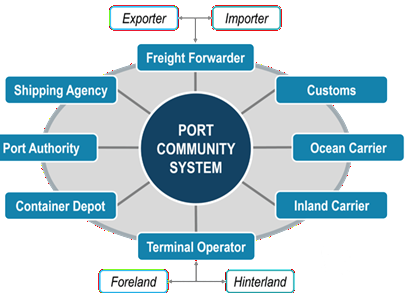
Port Community System

  • Supports communication between stakeholders (shipping lines, agents, freight forwarders, depots, importers/exporters).
  • Acts as gateway into MIA Subsystems (TOS, NSW, CMS, PMIS).
  • Cargo declaration with single data entry.
  • Dangerous goods notification for stowage/segregation.
  • Freight and vessel taxes (port/customs dues) declaration.

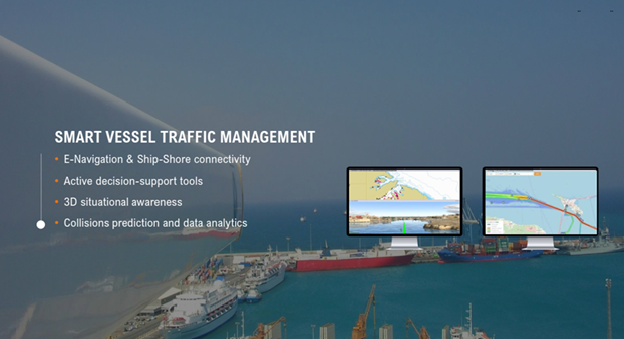
Vessel Traffic Management System (VTMS)

  • Enables collision avoidance and safe navigation via remote sensors.
  • Manages maritime traffic & increases efficiency by info sharing between stakeholders.
  • Improves awareness and safety with dynamic VTS area information.
  • Supports decision-making in critical situations and vessel interaction.

E-payment System

Customs Management System

REQUEST FOR QUOTE